



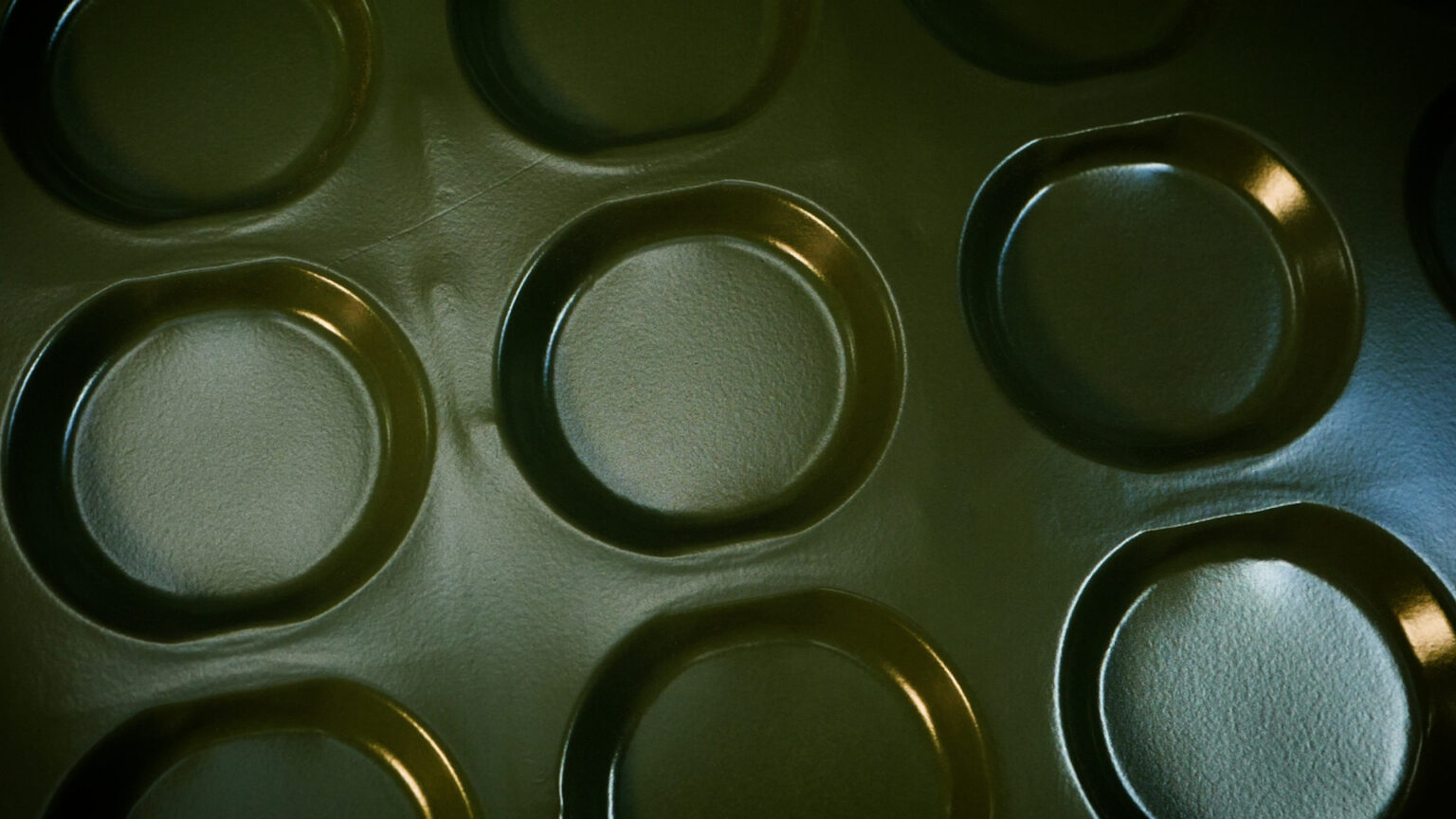
If you want your creations to always come out with good results, you need to know the best baking molds for every occasion. When preparing a cake, a sponge cake or any sweet, every detail counts. The texture, the baking and even the final unmolding may depend on an element that sometimes is not given the importance it deserves: the container in which you bake. Choosing wrong can ruin a perfect recipe.
From Reklin, as manufacturers of industrial coatings, we have prepared this guide to help you understand what options you have and how to choose the most suitable for you.
What types of baking molds are there?
Before making your choice, you should know how many possibilities there are. Not all molds are suitable for the same thing, and each one offers a different result. The variety is wide, and that allows you to adapt to both the type of recipe and the finish you are looking for.
Here are the most common baking molds and their uses:
- Cake pans: they are usually round, with or without a central hole. They are designed to withstand prolonged baking and allow the dough to rise evenly. They are versatile and suitable for multiple recipes.
- Cake pans: they can be removable or with a fixed base, and allow baking shortcrust pastry, cookie or moist fillings. They are indispensable for fruit tarts, cheesecakes or cold preparations.
- Cupcake and muffin pans: they come in individual or multiple tray format. They are usually used with paper capsules to facilitate baking and prevent sticking. They provide exact portions and a neat presentation.
- Flan and pudding molds: designed to withstand bain-marie cooking, they usually have a truncated cone or rectangular shape. Some include a lid to retain moisture during the process.
- Molds for chocolates or creative confectionery: they allow the elaboration of small and detailed figures. They are widely used in celebrations or decorative works, both with chocolate and flexible doughs.
- Cookie molds: although they are mostly cutters, there are also specific trays that mark relief or give original shapes without having to decorate afterwards.
- Cake molds with shapes: animals, numbers, letters or special designs. Ideal for birthdays, theme parties or children’s pastries. They add originality without complicating the process.
Knowing which mold to choose depending on the dessert saves you time, improves the finish and increases the chances that the recipe will turn out as expected. It’s a simple way to make a quality leap without changing the ingredients.
Tips for choosing the best baking molds
When choosing among so many options, you should consider several aspects that directly influence the final result. Making the right choice not only improves cooking, but also makes your work easier and safer.
Here’s what you need to consider to find the best baking pans.
Materials for baking molds
The type of material affects both the firing time and the behavior of the mold when removed from the oven.
- Aluminized steel: distributes heat evenly and provides a firm base. It is resistant and adapts to intensive use.
- Silicone: very flexible, allows effortless demolding and is easy to clean. Suitable for simple recipes and creative formats.
- Ceramic: retains heat for longer. It is excellent for neat presentations and recipes that are served directly from the container.
- Glass: allows you to follow the cooking process visually. Although it takes longer to heat up, it maintains a constant temperature and is suitable for preparations that require precision.
Each material has its function. Choosing the right one will depend on what you are looking for: speed, ease of demolding, aesthetics or resistance.
H3: Pastry mold shapes
The shape also influences the result. It is not only a question of aesthetics, but also of function.
- Round: the most versatile. They can be used for cakes, sponge cakes, cheesecakes or filled preparations.
- Rectangular: very useful for classic sponge cakes, sweet breads or layered desserts.
- Crowns or braids: designed to give a more decorative look without additional effort.
- With special shapes: animals, flowers, hearts… ideal for themed or children’s pastries.
Using different shapes allows you to innovate without complicating the process, and to adapt each mold to the style of the occasion.
Size of baking pan
One of the most frequent mistakes is not adapting the size to the amount of dough. If you use a mold that is too large, the dessert is low and dry. If it is too small, it overflows.
- Small mold (10-18 cm): perfect for individual portions, tests or recipes with small amounts of mixture.
- Medium mold (20-24 cm): the most common for standard cakes and biscuits. Provides balanced baking.
- Large mold (over 26 cm): designed for family preparations or recipes that require a lot of volume.
Be sure to adjust the baking time to the size, as larger pans may need more minutes or a lower temperature to avoid burning on the outside and being raw on the inside.
Get the best baking molds
When you have the right equipment, every recipe is more enjoyable. At Reklin, we offer tailor-made solutions for professionals looking for the the best baking moldsresistant, functional and durable. Our experience in industrial coatings allows us to develop products that facilitate demolding, improve cleaning and extend the useful life of the molds.
Explore our catalog and choose from different sizes, shapes and finishes, always with the quality guarantee you need for your workshop.